





Flashes & Flames has gathered an unrivalled group of industry leaders to share their strategies, lessons and learnings from AI. Engage with the 32 CEOs and technology specialists who are participating in The Definitive AI Forum for Media, Information & Events 2026, in London on Wednesday 18 November.
Biggest gathering for AI
It’s the AI event of the year for executives and entrepreneurs in media, business information and event companies. The biggest gathering of the industry’s leaders and tech specialists.
The location is the historic and uniquely collegiate Stationers’ Hall. The 210-person limited capacity will help delegates, speakers and panelists to engage throughout the day.
Case studies: what’s working and what’s next?
The emphasis will be on panel discussions, fireside chats, networking and practical workshops. Participants will share their successes (and disappointments) and strategies from an eventful year in the development of AI technologies. Delegates will also benefit from: an exclusive 150-page eBook of case studies, background reading and reference material; near live transcripts of every session; audio recordings; and messaging and meeting-setting apps.
Here’s what just some of our 32 participant speakers say about the impact of AI on companies across B2C and B2B media, information and events:
Dr Alex Connock, Senior Fellow / AI specialist, Oxford University
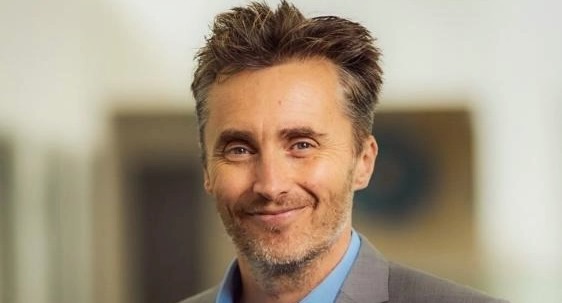
“The media business has passed through a worm hole – from a linear solar system of two-dimensional information, into a multi-dimensional universe where all information is accessible, inter-connected, scalable, real time and malleable into any interpretative form, thanks to the hyper scaled AI tools we now have to play with. We have real time satellites, instant coding of apps and dashboards, and cloud-compute scale analytical tools. A single journalist can have more analytics at their disposal than the whole of BBC or CNN. This is enormous commercial and journalistic opportunity – and risk. So how should media businesses turn adrenalized leverage into next-generation businesses? It’s the most compelling dimension of the media business today.“
Penny Ladkin-Brand, CEO, Taylor & Francis

“AI is accelerating knowledge creation but it’s also straining the systems that support it. Our strategy is to put technology to work while keeping human judgment at the centre. We are using intelligent technology to transform our processes so that research can have greater impact. An example of this has been in improving the accessibility of our content.”
Alex Roth, Group Strategy Director, Informa Plc
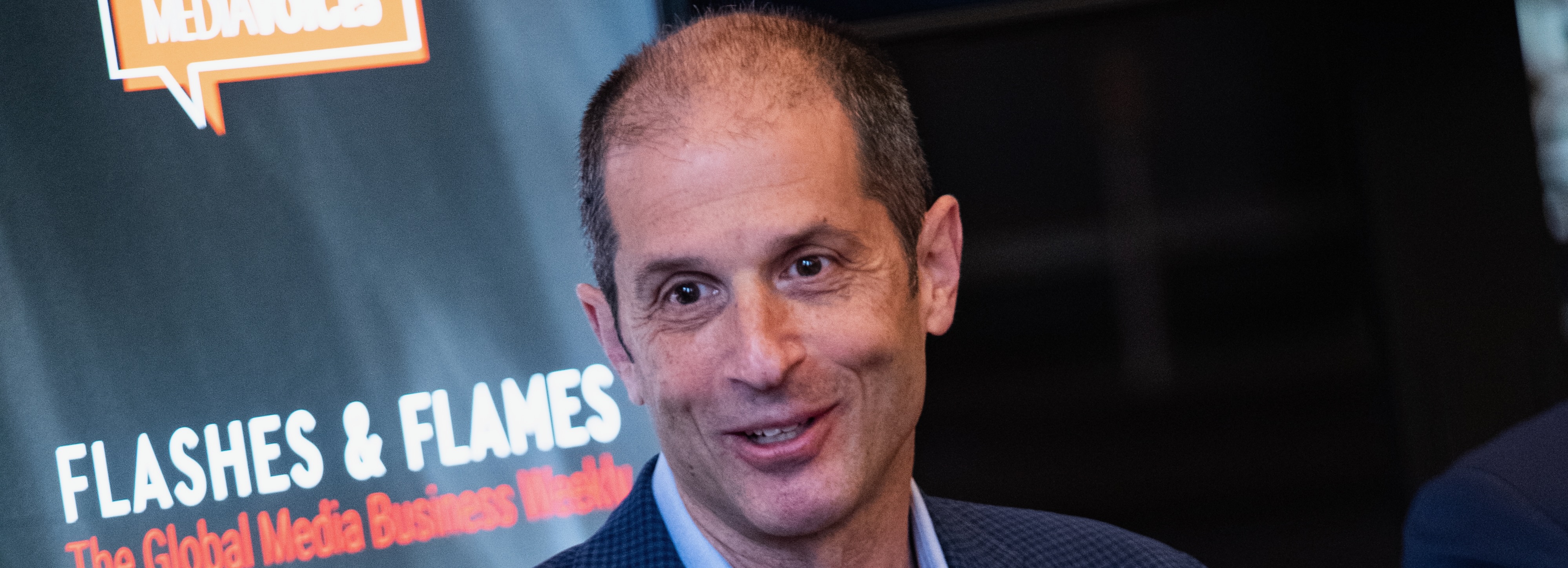
“Informa’s AI strategy is oriented around productivity, product, and process. Productivity draws upon our proprietary colleague assistant, Elysia, which puts innovation into the hands of every colleague in our business. Product innovation enhances customer RoI in our core product through AI-enabled analytics, insights, and activations. And process re-engineering incorporates AI-enabled functionality into core activities conducted across our business.
AI innovation is now changing the way in which we work, and the nature of roles within our business. Our talent strategy reflects these changes as we continuously position our business to face into the future…”
Henry Faure Walker, CEO, Newsquest
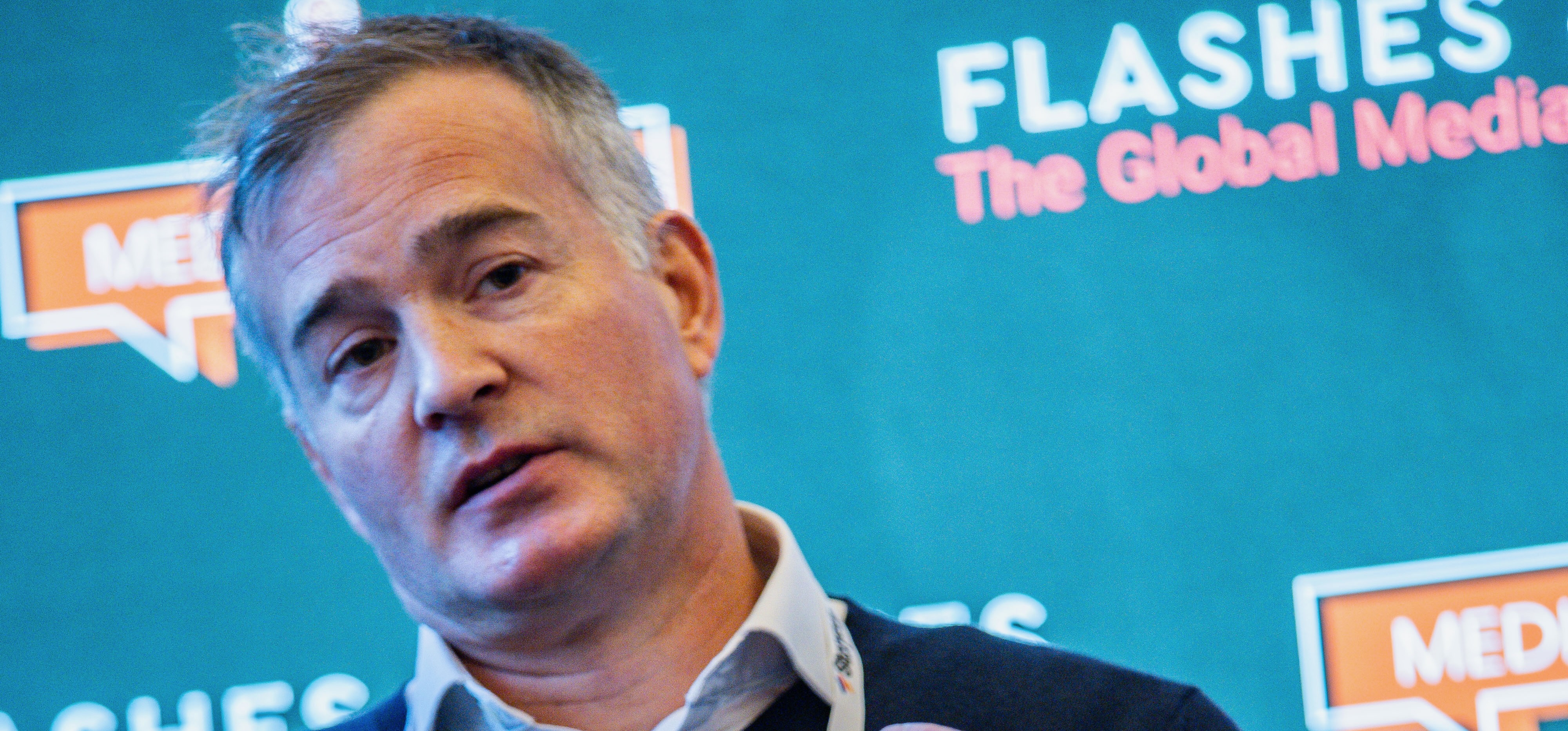
“We see AI as a local journalism multiplier, not a journalist replacement. By embedding AI into our own editorial systems and workflows, we are freeing reporters from routine tasks so they can spend more time in their communities, uncovering original stories, holding power to account and producing the local journalism that matters most. Our biggest success has been helping our journalists do more journalism. Newsquest now produces over 60,000 local stories a month, while continuing to invest in reporters and newsroom capability. AI has given us the ability to expand community coverage and create more time for the high-impact reporting that only journalists can deliver.”
Brian Brittain, Global COO, RX

“AI isn’t a strategy in its own right. It’s a set of powerful tools and techniques that can deliver the RX strategy faster and more effectively. AI is only as useful as the data and business understanding behind it. Our golf show in Orlando is a good example of what our approach to AI looks like in practice. For the 2026 edition of PGA, we introduced the AI powered RX NOW platform, with strong results. Attendance rose by 4%, leads increased by 88%, badge processing improved by 31%, and more than half of attendees used the digital experience. The key point is that AI was only part of the story. The real value came from improving the customer journey and getting the data and processes right first.”
Danny Groom, CEO, Daily Mail Group

“It’s increasingly obvious that whoever doesn’t maximize AI’s profound potential will be left behind by the rest of the industry. We’re at the forefront of this change, deploying AI across the commercial floor and the newsroom to accelerate and enhance our workflows. Our approach is to proceed at pace – but with caution. We’re constantly developing tools to make our journalists’ everyday tasks much easier alongside products which will completely transform the ways in which our content is consumed. For instance, we’ve launched the Daily Download, which transforms our best articles and reader comments into a 5-minute highlight reel podcast. It’s curated by journalists, powered by AI. Use cases like that – which provide our audience with a more personalized, flexible, and unique experience – are exactly where we’re doubling down.”
Leon Saunders Calvert, president, Economist Enterprise
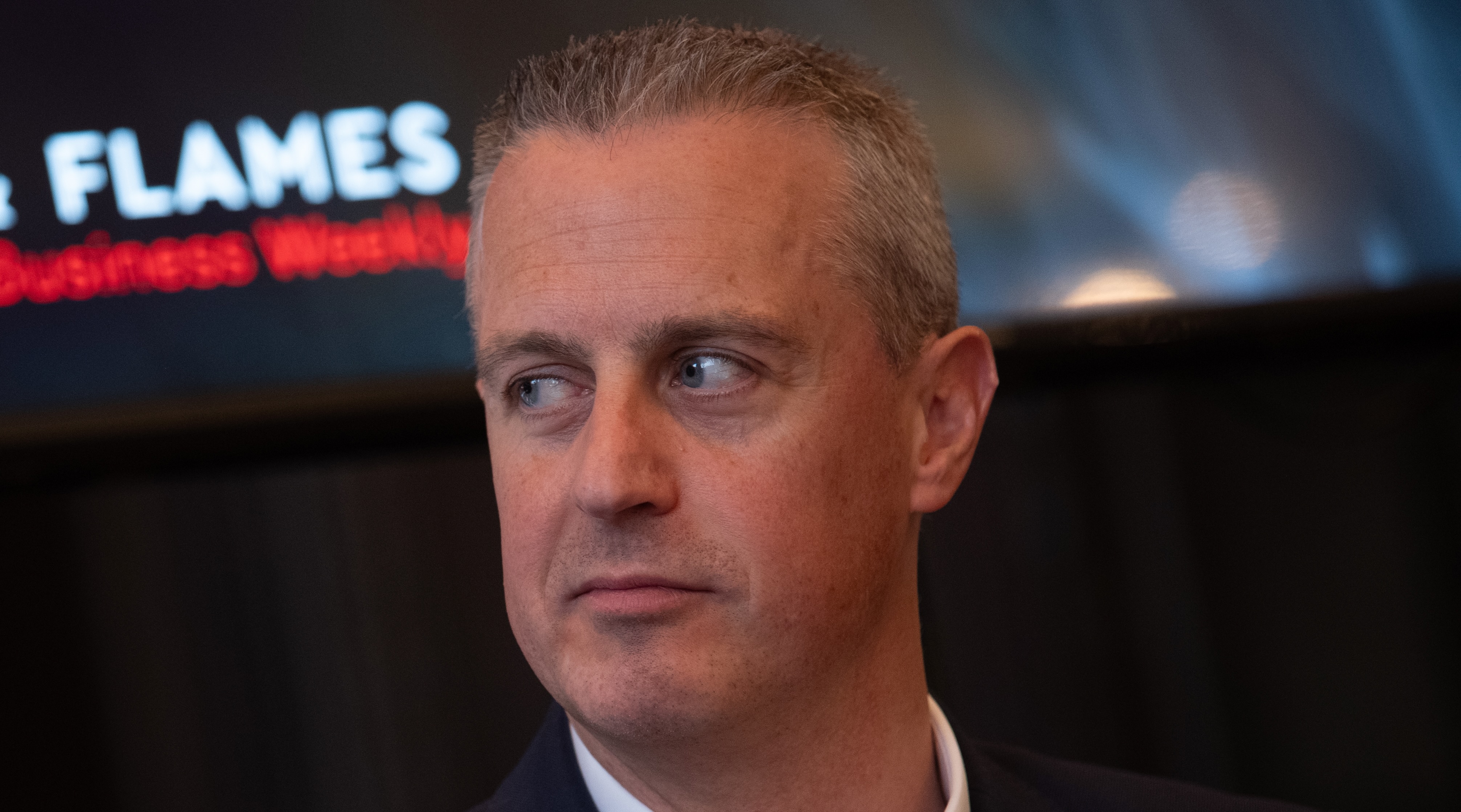
“The essence of our AI strategy at Economist Enterprise has been to ensure we use the technology now available to us for progress. We focus on three areas: integrating AI into our products to add more value to clients without risking the trust central to our brand; helping clients make decisions by making sense of AI’s disruptive effects at a macro level; and driving our own productivity by re-making internal workflows using cutting-edge tools. Early positive signs are that our AI-powered product innovations are being meaningfully adopted by our users and are significantly driving up engagement. We have also created an internal culture in which adoption of AI in interesting and creative ways is now an expected skill of our talent base.”
Adriana Whiteley, Director, FT Strategies
“Publishers’ vulnerability to AI depends on how easy it is to substitute their content. Pricing and user sophistication play a role: high-value B2B clients, for instance, who pay thousands for information, are more likely to explore substitutes. However, the two key drivers of differentiation are specialization and exclusivity. Coverage based on publicly available information, especially content reliant on curation and summarization, which features heavily in some journalistic genres and B2B information services, is particularly vulnerable to AI competition.”
Sean Cornwell, CEO, Immediate Media

“We’ve always approached AI with one mindset: lean in and embrace it. I have little time for those who rage against the platforms or lament the past. AI is exponential—it’s only going to get better, faster than we can imagine. Our brains think linearly, but this thing moves exponentially. Internally, you hear voices saying, ‘Yeah, but AI content isn’t good enough. It hallucinates.’ And I say, sure—but imagine what it can do two years from now. We’ve taken a full embrace approach across the business. The back-office use cases—efficiency, process improvements, doing more with fewer resources—those are table stakes. What excites me is what new opportunities AI opens up: what we can now do that we couldn’t before…”
Anne Lafère, Group CEO, Easyfairs

“Technology is definitely an enabler to increase operational efficiency, to offer superior exhibitor and visitor experience, a higher RoI, and to generate new revenue streams. Technology is really an enabler. And, when it comes to AI, we should use it not for the sake of AI, but for AI value. AI itself is not a strategy. AI and technology are there to augment your strategy. We need to be AI value creators, not AI users. Personally, I’m working hard with Stéphane, our CTO, on our AI value creation roadmap. My advice is: never lose sight of your mission and use technology and AI to enhance your strategy and mission. But we are all doing pilots, which is great, and you have to do pilots and you have to experiment. The real challenge, though, will be to industrialize that and embed the pilots into your processes and systems, so that everyone in the organization can benefit. Going from a proof of concept to production and fully embedding it in your day-to-day operations. That’s the challenge, not merely doing pilots.”
Tracy De Groose, CEO, William Reed

“William Reed’s operational mantra is ‘AI in the workflow, humans in the byline’. AI is deployed to strip out mechanical, time-consuming tasks—such as transcribing interviews, content optimization, and dataset pattern recognition. This rebalances workloads, freeing up specialist journalists and experts to focus on nuance, context, human connection, and professional judgement. William Reed’s strategic, ‘AI-enabled, human-led’ approach has already delivered tangible successes across the business. The positive impact of AI so far is highlighted by key achievements in product innovation, workflow efficiency, and industry recognition for an award-winning strategy. This transition from a traditional publisher into a connected intelligence business is backed by a long-term investment in data and AI capabilities.”
Sharon Roessen, COO, Terrapinn Group

“Many event companies have the asset backwards (including us). We think we sell space and speaking slots. What we actually own is data: who comes, what they need, who they should meet, what they’ll buy next. So, everything we do in AI is aimed at deepening that. Gathering insight properly at the point of registration, enriching it, and letting it compound across editions and across the portfolio. Once you hold that, the products write themselves: matchmaking, curated roundtables, sellable audience insight for sponsors. The second half follows from the first. Software is now cheap and fast to build. Our industry is paying event tech and SaaS vendors £5-10K++ a show, locked into multi-year/event/seat licences, for things we can now build in days. We own the data. That is the powerful piece, not the technology and I don’t think enough of us have noticed.”
Matt Yorke, CEO, The Channel Company

“We started the AI journey in May 2025 and expect to achieve our goal to become an AI native organization by no later than December 2027. We sit on decades of proprietary data about technology buyers, partners, markets, communities, content engagement, and campaign performance. Our strategy is to combine that unique, first-party data with AI to create a Predictive Growth Engine that helps technology companies identify where growth is emerging, which partners are best positioned to capture it, and what actions will create the greatest commercial outcomes. We are moving from reporting on what happened to predicting what will happen next and helping customers to act on it. AI won’t just make us more efficient. It will fundamentally change our business model by creating a high-value, recurring intelligence platform that improves customer growth, strengthens retention, and increases the strategic value of The Channel Company itself.”
Paul Miller, CEO, Emerald-Questex
“We have really leant into revenue-generating AI strategies, utilizing the Gong.ai sales tool and expanding the reach of the sales team by working with 11x to qualify inbound leads and lapsed customer win-back via AI Agents. A second thrust focuses on uncovering intelligence in the data we already have and we will be prosecuting this hard in the newly-expanded business. The early positives have been a real acceleration of the sales pipeline and hundreds of thousands of dollars of new revenue.”
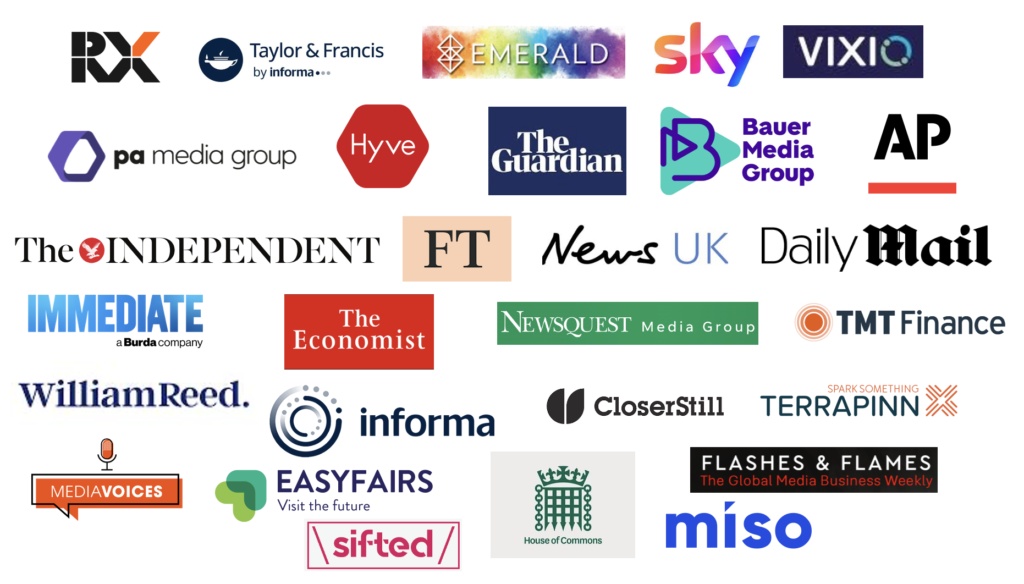
The Definitive AI Forum 2026 features 32 CEOs and industry leaders from the following companies in the UK, US and EU:
Time to book
Launch rate discounts still available for corporate groups and individuals. Only 210 can attend.
Organized by Flashes & Flames Media Ltd. Founder-owner: Colin Morrison. Producer: Cobus Heyl. Sponsorship: Jussi Makela. MediaVoices Workshops: Esther Kezia Thorpe.
