


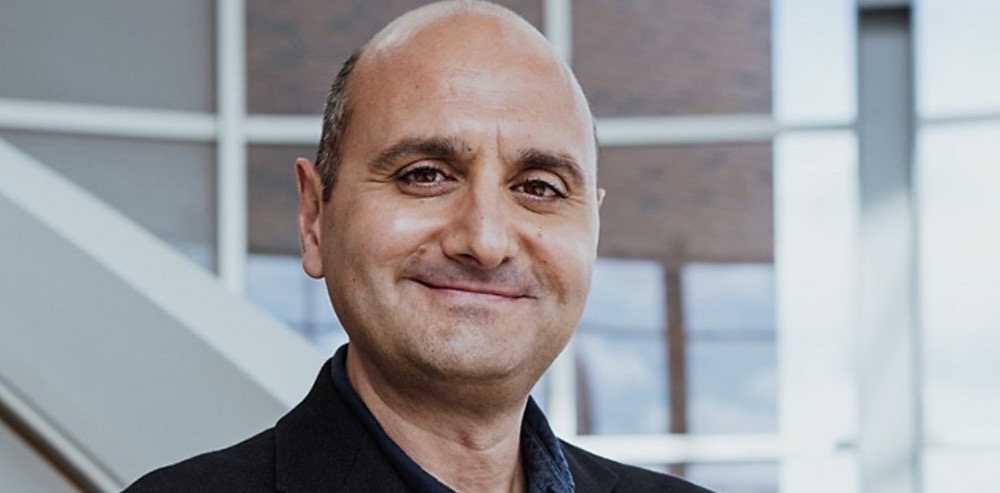
Tom Fussell is CEO of BBC Studios, the £1.6bn-revenue commercial subsidiary of the 100-year-old state-owned UK broadcaster and digital media group. He was appointed in 2020 after being CFO of predecessor operations since 2016. He had previously been CFO of the Shine TV production company, successfully completing its merger with Endemol. He had also worked for the UK operations of book publishers Harper Collins and Random House.
In 2021-2, BBC Studios made profits of £226m on revenue of £1.6bn – up 50% and 30% respectively, due partly to production and advertising revenues from its commercial UKTV network. As a result, the company paid a dividend of £135m to the BBC. The record growth helped BBC studios reach its target of paying £1.2bn in returns to the BBC over the first five years of the Charter mandating its funding and governance.
BBC Studios was awarded the first Studio of Distinction award at this year’s Mipcom, reflecting the way the commercial operation is becoming ever more important to the BBC as it copes with hundreds of millions of pounds of cost savings and systemic challenges to its funding model. This principally comprises a £159 per household “TV licence” for Brits which generates some £3.8bn annually – 70% of the BBC’s revenue. BBC Studios now provides 30%.
Tom Fussell graduated in economics from the University of Bristol.
What were your earliest ambitions?
I have always been surrounded by creative people – my parents are both designers and my wife is an opera singer. I ‘rebelled’ and qualified as an accountant. At 25, I joined the BBC Science Department as a production accountant and went on to become part of the central finance team at the BBC. Since then, I’ve held senior commercial and financial roles in various publishing and media companies, including Random House (now Penguin Random House), HarperCollins and Shine (subsequently Endemol Shine and now Banijay), until returning to BBC Worldwide as CFO in 2016.
How does your experience as a CFO contribute to your current role?
Having a clear vision and enabling risk-tasking is at the core of any successful business. People need to know where they are heading, the part they play, and to take smart risks. My background in finance and commercial in the creative sector has taught me the importance of supporting creativity with culture-building and strategic investment – managing a cost base is important, but it’s not how you grow a business.
I’ve also learned a lot about bringing different businesses together. I was CFO at Shine when we completed its sale into a new joint venture, as part of a merger with Endemol. This was valuable experience for the subsequent merger of the BBC’s two main commercial companies – BBC Worldwide and BBC Studios – in 2018, bringing together world-class distribution with the BBC’s award-winning former production arm. While I was CFO of BBC Studios, we also acquired UKTV in 2019, in a deal with Discovery which saw us take control of the JV’s brand and seven of its 10 channels. Our UKTV channels have grown every year since, achieving record share of commercial impacts (SOCI) in 2021, and outperforming the market. That speaks to an entrepreneurial UKTV culture that we’ve sought to preserve as full owners.
What’s special about BBC Studios?
As a BBC company, we share the values of our parent and we make content with purpose. Think of Natural History super-landmark Frozen Planet II raising awareness of climate change, seen by 20.5 million unique viewers in the UK; Rose Ayling-Ellis on Strictly Come Dancing increasing understanding of deafness , not least in an unforgettable routine which won last year’s BAFTA for Virgin Media’s Must-See Moment; Platinum Party at the Palace, literally bringing the nation together at the time of Queen Elizabeth II’s Platinum Jubilee, with a 74% UK audience share, and building our reputation around the world. Purpose drives our creativity and makes us who we are.
BBC Studios’ range and depth of content is extraordinary; we produce across nearly all genres through a range of units and labels, including some of the world’s most loved and highly acclaimed programmes: from Killing Eve, Sherwood and Frozen Planet II to Top Gear, JoJo and Gran Gran and The Boys From Brazil: Rise of the Bolsonaros. We share the BBC’s values around backing British talent and reflecting diverse British experiences, to mirror modern British culture. Part of our work is to bring British creativity to the world and we also work with hundreds of other fantastic independent UK production companies. Ninety percent of our colleagues say they are proud to work for BBC Studios and 82% would recommend us as a place to work.
Our distinctiveness also helps us attract the right acquisitions and partners for long term success. This year we’ve moved to full ownership of Sid Gentle Films (Killing Eve, Extraordinary), Fire Bird Pictures (Wilderness, Wahala) and Voltage TV (DNA Journey, Inside The Factory). We have also recently invested in Turbine Studios (Small Axe, Munich: The Edge of War) and new factual indie Mothership Productions, led by former Channel 4 executive Kelly Webb-Lamb.
What have been your most successful productions in recent years?
BBC Studios is the most awarded producer in the UK and the most commissioned creator of new content for the last few years. We love making for the BBC, where we have such strong alignment. But we also make very extensively now for the full global market, with recent transmissions including Prehistoric Planet and Trying exclusively for Apple TV+, Our Universe and The Anthrax Attacks for Netflix and Freedom: 50 Years of Pride and Somewhere Boy for Channel 4, the last of these produced by our indie label Clerkenwell Pictures. We’re currently in production with Good Omens 2 for Amazon and our future production slate is extensive and exciting.
Our natural history is world-beating, with The Green Planet and Frozen Planet II both airing this year. Our Natural History Unit is the only producer in the world to have made three of IMDb’s top 10 titles of all time – and Frozen Planet II has the hallmarks of becoming the fourth!
Some of our biggest brands have made the move from terrestrial TV to the streaming platforms with both Dancing with the Stars in the US and the world’s longest running sci fi series, Doctor Who, making the move to Disney+. We partner with incredible talent of the likes of Jimmy McGovern (BAFTA award-winning Time); James Graham (Sherwood), Sally Wainwright (Happy Valley 3), Daisy May Cooper (Am I Being Unreasonable?), Sarah Solemani and Steve Coogan (Chivalry) and we are a co-commissioner, international distributor and commercial partner for the global sensation that is Bluey, which featured in this year’s Macy’s Thanksgiving Day Parade
And our global footprint is extending further through shows like Rudra: The Edge of Darkness, India’s adaptation of Luther made with Applause Entertainment, which broke records for Disney’s Hotstar and Ghosts for CBS and Paramount+, produced by BBC Studios LA Productions and Lionsgate, which became the number one new broadcast comedy in the US.
What are the advantages (or otherwise) of managing a commercial enterprise as part of the non-profit BBC?
The BBC is very actively backing BBC Studios’ growth and ‘build commercial income’ is one of its key strategic priorities. This support is underpinned by a newly-expanded Commercial Board led by chair Sir Damon Buffini and international non-executive directors, who bring expertise from companies including Disney and Viacom. Our vision is characterised by ambition and optimism, but we are also very alert to the current challenging macro-economic conditions.
What have been the recent milestones of BBC Studios?
Creating the right environment and culture for success is how we’ll continue to deliver the very best creative ideas. In 2020, BBC Studios put in place a diversity and inclusion plan, as part of our ‘People First’ strategy, offering a blueprint for a more inclusive culture through the recruitment, education and development of people from all backgrounds.
I was also proud of our response to the pandemic; we pioneered and set industry standards for Covid-safe productions, with The One Show remaining on air throughout. We also offered packages of content to key customers so they could continue to serve their audiences and directly gave financial support to around 600 production staff and freelancers of around £2m.
In our last set of results, we achieved double digit growth including our highest-ever sales (£1.6bn, +30%) and profit (£226m, +50%). In 2021/22 we made 2,400 hours of content; a quarter for third parties and we’ve grown our business so that three quarters of our production and content sales revenue comes from non-BBC activity and over 40% of worldwide production revenue came from third parties.
What’s your own primary role?
For me as CEO, it’s essential that, together with the leadership team, I set and create the right vision, strategy and culture for success. We want BBC Studios to be the most creative company in the UK and continue to attract the very best talent and support them in creating their best work. Enabling risk-taking is fundamental. I love working with creative people and using business skills to help make their vision come true. Where there’s a great idea, as a company we always want to say ‘yes’ and find a way to take the risk.
What’s your vision for BBC Studios in, say, five years?
We’ve had great results so far, demonstrating the ambition within BBC Studios to achieve creative and commercial success. It’s now time to step up a gear, which will mean further investment in content and services to augment the existing organic growth. We have stretching targets and are determined to reach them. We’ve doubled in the last five years and our ambition is to double again in the next five, to the end of this BBC Charter.
In addition, we will build-out existing business areas and grow new ones. Our borrowing limit is increasing over the next five years from £350m to £750m, which will enable BBC Studios to better compete internationally by borrowing to invest in growth.
Most important, our creative pipeline has never been stronger. Looking ahead to some of the 2023 highlights, we have the launch of Planet Earth III, Lookout Point’s Happy Valley 3 and Black Ops from BBC Studios Comedy, Sid Gentle’s Extraordinary, Chuck D’s Fight The Power: How Hip Hop Changed the World from our Documentary Unit and new drama Phoenix Rise from our Kids & Family unit. It really is a golden time for TV audiences.
What are the best lessons you have learned?
One of the best lessons I’ve learnt along the way, is the importance of being yourself, not the person you think you ‘should’ be. When I joined the then BBC Worldwide, Tim Davie (my predecessor and now leader of the BBC) gave me permission to be who I really was and that’s a really important lesson for any leader in an organisation. If you start being more authentic, sharing your story and your vulnerabilities and the things that you haven’t got right in your career, you will do better. Other people around you will get to know you more. And that’s much less stressful, because you can be yourself. I appreciate that can feel easier to do when you are a leader, rather than when you are starting out in your career, but it’s vital if we are to do our best work.
I would also say, in my experience, being made redundant isn’t the end of the world, nor should it be seen as a failure. I have been made redundant twice in my career and, while challenging (I had a small child and one on the way when it happened the first time), it has always led to interesting new opportunities and positive change.
